
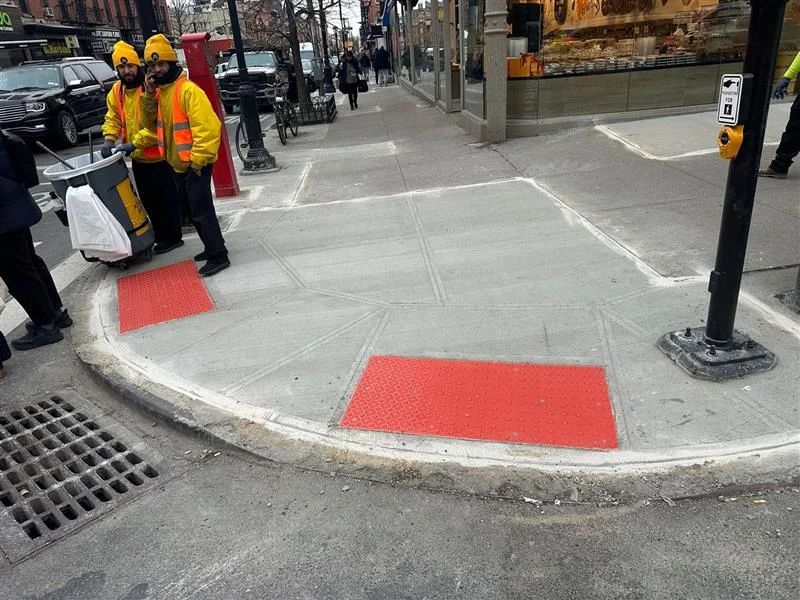
Even as New York City works to make it easier to start and run a business, one responsibility remains the same: property owners are still responsible for keeping sidewalks safe
NYC Is Reducing Red Tape for Businesses
New York City recently announced the "OPEN for Small Business" initiative, a package of reforms designed to make it easier for entrepreneurs to open and operate businesses. The changes focus on reducing paperwork, simplifying permits, improving inspections, and removing unnecessary administrative barriers.
For business owners, these reforms are welcome news. Faster approvals and fewer bureaucratic hurdles can help businesses open their doors sooner.
However, there is one area where the rules have not changed.
Sidewalk Liability Still Belongs to Property Owners
The city's efforts to streamline government processes do not change the legal responsibility for sidewalk maintenance.
Under NYC Administrative Code §19-152, most property owners are responsible for maintaining the sidewalk adjacent to their property in a reasonably safe condition. If the sidewalk develops defects such as cracks, broken concrete, uneven slabs, or trip hazards, the owner may receive a violation from the NYC Department of Transportation (DOT).
These responsibilities apply whether the property is:
-
A retail storefront
-
An office building
-
A mixed-use property
-
A residential building
-
A commercial warehouse
The recent business reforms do not eliminate these obligations.
Easier Permits Don't Mean Fewer Sidewalk Inspections
The city's goal is to make doing business easier, not to relax public safety standards.
Sidewalks remain one of the most heavily used parts of New York City's infrastructure. Every day, millions of pedestrians rely on safe walkways outside homes, restaurants, offices, schools, and businesses.
If inspectors identify unsafe sidewalk conditions, the property owner may still receive a DOT Sidewalk Violation requiring repairs.
Common reasons include:
-
Raised sidewalks caused by tree roots
-
Missing or deteriorated concrete
-
Broken curbs
-
Unsafe cellar doors or sidewalk vault covers
These inspection standards remain unchanged.
Why This Matters for Commercial Property Owners
The city's reforms are expected to encourage more businesses to lease commercial spaces.
Before opening, many business owners renovate interiors, install new signage, and obtain operating permits. During this process, the sidewalk outside the property is often overlooked.
Unfortunately, an unsafe sidewalk can become an expensive problem after opening.
A DOT violation can require repairs within the city's required timeframe. Ignoring the notice may result in the city completing the work and billing the property owner according to applicable procedures.
Planning sidewalk repairs before they become violations is often less disruptive than addressing an enforcement notice later.
ADA Accessibility Requirements Still Apply
Reducing paperwork does not change accessibility requirements.
Sidewalks serving businesses must continue to provide safe pedestrian access consistent with applicable ADA standards and NYC DOT specifications.
During sidewalk repair or replacement, contractors must follow requirements related to:
-
Proper cross slope
-
Surface smoothness
-
Trip hazard removal
-
Safe curb ramp construction where required
-
DOT-approved concrete specifications
These standards help ensure sidewalks remain accessible for everyone.
Sidewalk Problems Often Get Worse Over Time
Many owners delay repairs because the damage appears minor.
Small cracks can widen after repeated freeze-thaw cycles. Tree roots continue lifting sidewalk slabs. Water enters damaged concrete and accelerates deterioration.
Waiting often increases both the repair scope and cost.
Routine inspections can help identify problems before they become violations or liability concerns.
Businesses Benefit From Safe Sidewalks
A well-maintained sidewalk offers more than regulatory compliance.
It also helps:
-
Improve customer safety
-
Reduce trip hazards
-
Present a better first impression
-
Protect property value
-
Minimize the risk of liability claims
-
Avoid unexpected repair deadlines
For businesses that depend on foot traffic, the sidewalk is often the first thing customers experience.
Work With Contractors Familiar With NYC Requirements
Sidewalk repair in New York City involves more than replacing damaged concrete.
Repairs must comply with DOT specifications, local construction standards, and inspection requirements.
Working with experienced contractors helps property owners complete repairs correctly the first time and avoid unnecessary delays.
With more than 30 years of experience serving property owners throughout Manhattan, Brooklyn, Queens, and the Bronx, sidewalk Repair or replacement has completed thousands of DOT-compliant sidewalk projects, from routine concrete repairs to complete sidewalk replacement and violation removal.
The Bottom Line
New York City's effort to reduce red tape is good news for businesses. Faster approvals and simplified processes can help companies open and grow more efficiently.
What has not changed is the responsibility to maintain safe sidewalks.
Property owners remain responsible for repairing defective sidewalks, complying with NYC DOT standards, and addressing violations when they occur. Staying proactive with sidewalk maintenance can help avoid enforcement actions, reduce long-term repair costs, and provide a safer environment for everyone who uses New York City's sidewalks.